
IBISWorld Platform
Answer any industry question in minutes with our entire database at your fingertips.

IBISWorld forecasts that the average weekly hours worked in Australia will rise by 0.9% in 2025-26, to an average of 32.14 hours per week per employed person. This follows a 1.7% increase in the average weekly hours worked during 2024-25, fuelled by public policy initiative, like wage increases for aged care and early childhood educators, as well as workforce attraction programs for aged care nurses and other staff, that boosted staffing and hours in key sectors like healthcare, aged care, early childhood education and the NDIS. This has also been compounded by cost-of-living pressures, which have prompted many workers to take on additional hours or multiple jobs, driving up the average weekly hours worked.The average number of weekly hours worked has trended downwards since the 1990s. An increasing number of women entering the labour force has contributed to the long-term reduction in average weekly hours worked, as women are typically more likely to work part-time to take on child and elder care commitments alongside employment. The growing casualisation of the workforce and the rise of the gig economy, characterised by uncertain work hours for employed persons, has driven up the share of employees who are part-time from 15.5% in 1978-1979 to 31.0% in 2025-26. This has further contributed to the long-term decline in the average number of weekly hours worked per employed person.The share of total employees who are part-time fell to 31.0% in 2025-26, down from its peak of 31.8% in 2020-21. As more people transition into full-time roles, this shift has increased the overall average weekly hours worked. Overall, IBISWorld forecasts that the average weekly hours worked in Australia will increase at a compound annual rate of 0.4% over the five years through 2025-26.
Curious about what drives these trends? IBISWorld's analyst coverage on the average weekly hours worked includes detailled analysis on the current performance, outlook and industries affected.
1992-2033
This report analyses the average number of weekly hours worked in Australia. The report includes all employed individuals and uses the actual number of hours worked during the survey period, rather than the usual number of hours worked. The data is an average of all weeks in a given financial year. The data for this report is sourced from the Australian Bureau of Statistics' labour force survey and is measured in hours per employed person per week.
IBISWorld Industry Reports are available in multiple formats to fit seamlessly into your workflow.

Answer any industry question in minutes with our entire database at your fingertips.
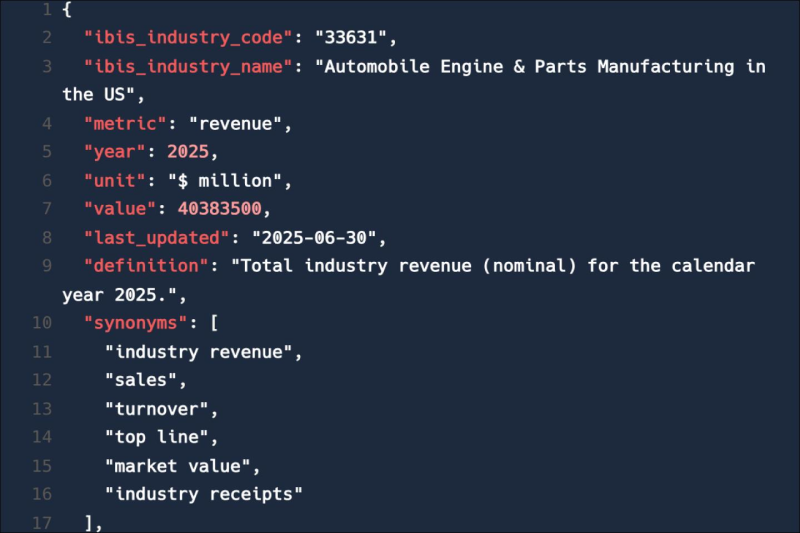
Feed trusted, human-driven industry intelligence straight into your platform.
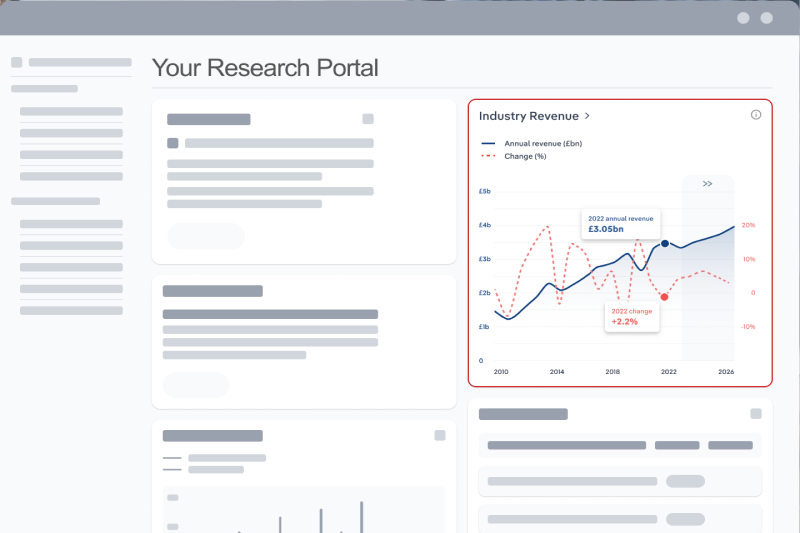
Streamline your workflow with IBISWorld’s intelligence built into your toolkit.
Explore industries with similar markets, supply chains, and economic drivers to gain broader context and insights.
When the stakes are high, you need intelligence that cuts through the noise—wherever you work.
The average weekly hours worked in Australia in 2026 was 32.14 hours per week.
The average weekly hours worked in Australia grew by 0.35% in 2026.
IBISWorld’s data and analysis on average weekly hours worked in Australia includes forecasted growth rates over the next five years.